
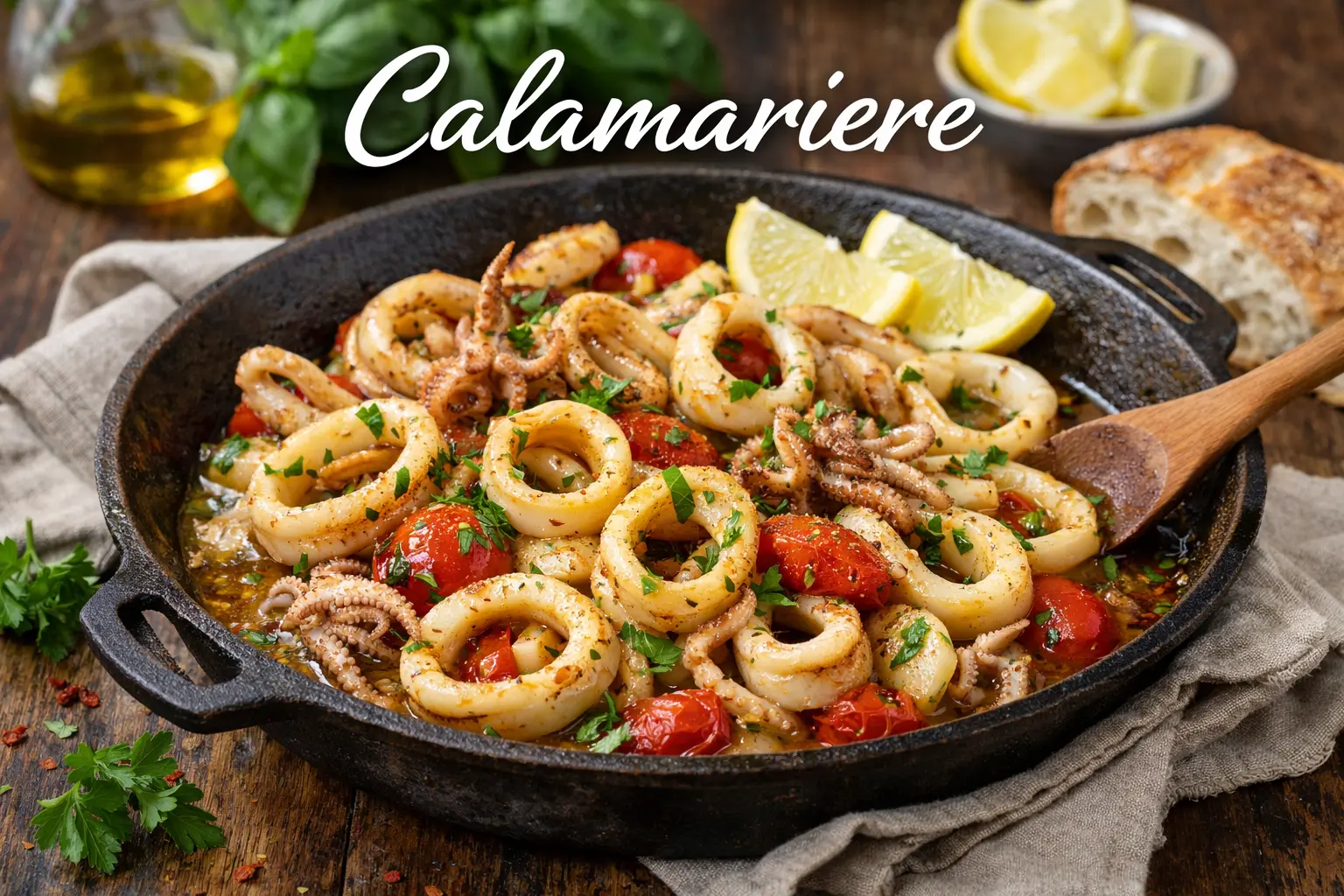
Seafood has always held a special place in Mediterranean cuisine, where simple ingredients are transformed into memorable dishes. Among these culinary treasures, calamariere stands out as a flavorful and versatile preparation that continues to attract food lovers around the world. Whether you are exploring new recipes or trying to understand its cultural roots, learning about calamariere opens the door to a rich and satisfying culinary experience.
What Is Calamariere?
Calamariere is a seafood dish centered around squid, prepared with a combination of fresh herbs, olive oil, and traditional cooking techniques that highlight natural flavors. Unlike heavily processed meals, calamariere relies on freshness and balance. The dish can vary slightly depending on the region, but it often includes ingredients like garlic, lemon, and Mediterranean spices.
Many people confuse calamariere with regular calamari, but there is a subtle difference. While calamari usually refers to fried squid rings, calamariere is more of a complete dish, often prepared with a focus on grilling, sautéing, or slow cooking. This gives calamariere a deeper flavor and a more refined presentation.
The Origin and Cultural Significance
The roots of calamariere can be traced back to coastal regions of Southern Europe, where seafood is a staple in daily life. Families have passed down recipes for generations, each adding their own twist to the dish. In these regions, calamariere is more than just food; it represents tradition, community, and a connection to the sea.
In Mediterranean culture, meals are often shared experiences, and calamariere is commonly served during gatherings or special occasions. Its preparation reflects a philosophy of cooking that values simplicity, freshness, and respect for ingredients.
Key Ingredients Used in Calamariere
One of the reasons calamariere is so popular is its use of simple, wholesome ingredients. Each component plays an important role in building the final flavor.
Fresh squid is the main ingredient, and its quality greatly affects the dish. Olive oil adds richness and enhances the natural taste of the seafood. Garlic provides depth, while lemon juice brings a refreshing acidity that balances the dish. Herbs such as parsley or oregano contribute aroma and a touch of earthiness.
Some variations of calamariere also include tomatoes, chili flakes, or white wine, depending on regional preferences. These additions create layers of flavor without overpowering the main ingredient.
How to Prepare Calamariere at Home
Cooking calamariere at home is simpler than it may seem, but attention to detail is important. The first step is cleaning the squid properly, removing any unwanted parts and slicing it into manageable pieces.
Once prepared, the squid can be marinated with olive oil, garlic, and herbs. This step helps infuse flavor and tenderize the meat. Cooking time is crucial; squid should be cooked quickly over high heat or slowly for a longer period. Anything in between can result in a rubbery texture.
A common method for making calamariere is sautéing. Heat olive oil in a pan, add garlic, and then cook the squid for a short time until tender. Finish with lemon juice and fresh herbs for a bright and balanced dish.
Tips for Perfect Texture and Flavor
Achieving the perfect calamariere requires a few practical tips. First, always use fresh squid whenever possible. Frozen squid can work, but it may not deliver the same texture.
Second, avoid overcooking. Squid cooks very quickly, and even a few extra minutes can make it tough. If you prefer a softer texture, slow cooking is a better option.
Seasoning should be balanced. The goal of calamariere is to enhance the natural flavor of the squid, not mask it. Using too many spices or heavy sauces can take away from its authenticity.
Finally, serve the dish immediately after cooking. Calamariere is best enjoyed fresh, when its flavors and textures are at their peak.
Popular Variations of Calamariere
Over time, different regions have developed their own versions of calamariere. Some prefer a grilled style, where the squid is lightly charred and served with a drizzle of olive oil and lemon. Others enjoy a tomato-based version, where the squid is simmered in a rich sauce.
In certain areas, calamariere is paired with pasta or rice, turning it into a complete meal. This variation is particularly popular in Italian cuisine, where seafood pasta dishes are widely loved.
There are also modern interpretations of calamariere that incorporate international flavors. Chefs experiment with spices, sauces, and presentation styles, giving the dish a contemporary twist while still respecting its traditional roots.
Nutritional Benefits of Calamariere
Beyond its taste, calamariere offers several nutritional benefits. Squid is a good source of protein, making it a satisfying choice for those looking to maintain a balanced diet. It also contains essential vitamins and minerals, including vitamin B12 and selenium.
Olive oil, a key ingredient in calamariere, is known for its heart-healthy properties. When combined with fresh herbs and minimal processing, the dish becomes a wholesome option for many diets.
Because calamariere is typically prepared without heavy frying, it can be a lighter alternative to other seafood dishes. This makes it appealing to health-conscious individuals who still want to enjoy flavorful meals.
Why Calamariere Is Gaining Popularity
In recent years, calamariere has gained attention beyond its traditional regions. Food enthusiasts are increasingly drawn to dishes that are both simple and authentic. The growing interest in Mediterranean cuisine has also contributed to its popularity.
Social media and food blogs have played a role in introducing calamariere to a wider audience. Home cooks and professional chefs alike share their versions, inspiring others to try the dish.
Another reason for its rise is its versatility. Calamariere can be served as an appetizer, a main course, or even part of a larger meal. This flexibility makes it suitable for various occasions, from casual dinners to special gatherings.
Conclusion
Calamariere is more than just a seafood dish; it is a reflection of Mediterranean culinary traditions and a celebration of simple, fresh ingredients. From its origins in coastal regions to its growing popularity worldwide, it continues to capture the interest of food lovers everywhere.
By understanding its ingredients, preparation methods, and variations, anyone can appreciate the true essence of calamariere. Whether you are cooking it at home or enjoying it at a restaurant, this dish offers a unique blend of flavor, culture, and tradition that is hard to forget.
FAQs
What is calamariere made of?
Calamariere is mainly made from fresh squid, olive oil, garlic, herbs, and lemon. Some versions include tomatoes or spices for added flavor.
Is calamariere the same as fried calamari?
No, calamariere is usually not fried. It is often grilled, sautéed, or slow-cooked, making it different in taste and texture.
How do you keep calamariere from becoming rubbery?
Avoid overcooking the squid. Cook it quickly over high heat or slowly for a longer time to maintain tenderness.
Can beginners cook calamariere at home?
Yes, calamariere is simple to prepare with basic ingredients. Following proper cooking time is the key to success.
Is calamariere a healthy dish?
Yes, calamariere can be healthy as it uses fresh ingredients, lean protein, and heart-friendly olive oil.
Levapioli: The Mediterranean Grilled Meat Dish That Deserves a Spot on Your Table
